
Car insurance is one of those bills almost everyone pays but few people ever optimise. With a little knowledge and effort, you can often cut your premium significantly without reducing the protection you actually need. This guide explains how car insurance is priced, the types of cover available, and the proven, practical steps to compare policies and genuinely save money.
How car insurance pricing works
Insurers price your policy by estimating how likely you are to make a claim, and how expensive that claim might be. Your premium reflects a mix of factors: your age and driving experience, your claims and driving history, the make and model of your car, where you live and park it, and how far you drive each year. Some of these you cannot change — but many you can influence, which is exactly where the savings come from.
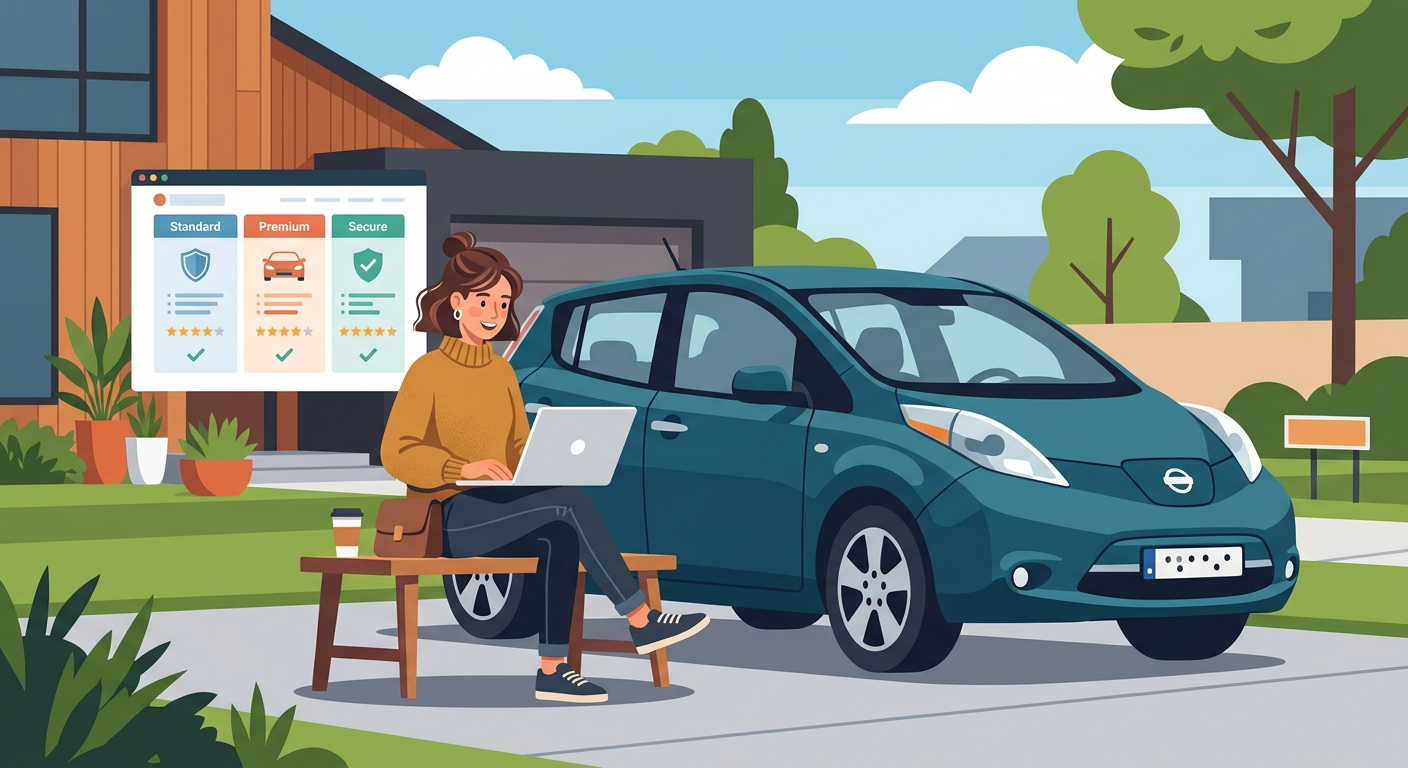
Types of cover
- Third-party: covers damage and injury you cause to others. It is usually the legal minimum and often the cheapest tier.
- Third-party, fire and theft: adds protection if your own car is stolen or damaged by fire.
- Comprehensive: also covers damage to your own vehicle, even when an accident is your fault.
Counter-intuitively, comprehensive cover is sometimes priced lower than basic third-party cover, because of the profile of drivers who choose each. That is why you should always compare all levels rather than assuming the minimum is automatically the cheapest.
Proven ways to lower your premium
- Compare multiple quotes: prices for the exact same driver vary widely between insurers, so always shop around at renewal rather than accepting the first number.
- Increase your voluntary excess: agreeing to pay more toward any claim lowers your premium — but only raise it to an amount you could genuinely afford after an accident.
- Improve security: alarms, immobilisers, and secure overnight parking reduce risk and can reduce cost.
- Build a no-claims record: each year without a claim typically earns a larger discount.
- Pay annually: paying in one lump sum is usually cheaper than monthly instalments, which often carry interest.
- Only pay for what you need: review optional add-ons and drop the ones you will never realistically use.
Avoid these costly mistakes
Never let your cover lapse to save money — driving uninsured is illegal in most places and a single incident could be financially devastating. Do not simply accept your insurer’s automatic renewal quote, which is frequently higher than the price offered to new customers. And never give false information to lower a quote: if you later make a claim, the policy can be declared void, leaving you unprotected when you need it most.
What affects your premium most
While insurers weigh many factors, a few tend to move your premium more than others, and understanding them helps you make smarter choices:
- Your driving record: a history free of accidents and claims is one of the strongest ways to earn lower prices over time.
- The vehicle itself: cars grouped as cheaper to repair and less likely to be stolen typically cost far less to insure than powerful or high-value models.
- Where you live and park: areas with higher rates of theft or accidents raise premiums; secure off-street parking can lower them.
- Annual mileage: the less you drive, the lower your exposure to risk, which many insurers reward.
When you are choosing a car — especially a first car — checking its insurance group before you buy can save you a surprising amount every year for as long as you own it.
What to do after an accident
Knowing the steps in advance keeps you calm and protects your claim if the worst happens. First, ensure everyone’s safety and, if anyone is injured or the road is blocked, contact the emergency services. Then, at the scene, exchange names, contact details, and insurance information with the other driver, and photograph the vehicles, their positions, and any relevant road conditions.
Note the time, location, and what happened while it is fresh, and collect contact details for any witnesses. Report the incident to your insurer promptly, even if you do not intend to claim, because policies usually require it. Avoid admitting fault at the scene; simply share the facts and let the insurers determine responsibility based on the evidence.
Understanding your policy documents
Insurance documents can look dense, but a few sections deserve close attention because they determine what you are actually covered for. Check the excess — the amount you pay toward any claim — and make sure you could afford it. Read the list of exclusions, which describes situations the policy will not cover, so there are no surprises later.
Confirm exactly who is allowed to drive the car under the policy, and review any conditions you must meet, such as where the vehicle is kept overnight. If anything is unclear, ask your insurer before you need to rely on the cover. Understanding your policy while everything is calm is far better than discovering a gap in it during a stressful claim.
Discounts and bundles that add up
Beyond shopping around, several discounts can lower your premium if you know to ask for them. Insurers reward lower-risk behaviour and customer loyalty in ways that are easy to miss:
- Multi-policy bundles: combining car insurance with home or other policies from the same insurer often earns a meaningful discount.
- Low-mileage discounts: if you drive little, say so — some insurers price specifically for it.
- Safety and security features: alarms, immobilisers, and modern driver-assistance systems can reduce your premium.
- Advanced driving courses: in some markets, completing a recognised course lowers your rate.
- Paying annually and going paperless: small administrative savings that insurers sometimes pass on.
Always ask directly what discounts you may qualify for, because they are not always applied automatically. A few minutes confirming your eligibility can translate into a lasting reduction on every renewal.
Reviewing your cover each year
Car insurance is not a “set and forget” purchase; your circumstances change, and so should your policy. Each year before renewal, take a little time to reassess. Has your car’s value fallen, meaning you might adjust your cover? Are you driving fewer miles, perhaps working from home more often? Have you added security or moved to a safer parking spot? Each of these can lower what you should be paying.
Use renewal as a prompt to compare the whole market again rather than accepting your insurer’s automatic quote, which is frequently higher than what a new customer would be offered. Make sure your details are accurate and up to date, since errors can invalidate a claim. Treating the annual renewal as a deliberate review — not a formality — is the habit that keeps your protection strong and your premium as low as it fairly can be, year after year.
New drivers versus experienced drivers
Your stage as a driver has a big influence on what you pay and how you should shop for cover. New and young drivers face the highest premiums, simply because statistics show they are more likely to be involved in accidents. If this is you, there are still ways to keep costs manageable: choose a modest car in a low insurance group, consider a policy that rewards safe driving, and build a claims-free record as quickly as possible, since each year without a claim lowers your future premiums.
Experienced drivers with a clean record hold more power to save. Loyalty rarely pays in insurance, so avoid simply renewing year after year; instead, compare the market regularly and use your good record as leverage. Whatever your experience level, honesty on your application is essential — misrepresenting your history or how the car is used can void your policy exactly when you need it, wiping out any short-term saving many times over.
Making a claim smoothly
If you ever need to claim, being organised makes the process far less stressful. Contact your insurer as soon as possible after an incident, and have your policy number and the key details ready: what happened, when and where, and the information you gathered at the scene. Provide photographs and any witness details you collected, as these help establish the facts quickly.
Keep a record of every conversation with your insurer, including names and reference numbers, and respond promptly to any requests for information so your claim is not delayed. Understand your excess — the amount you contribute — and how any settlement will be handled. Being calm, accurate, and thorough not only speeds up your claim but also protects you from disputes. A little preparation before you ever need it turns a claim from a daunting ordeal into a straightforward, manageable process.
Frequently asked questions
How can I lower my car insurance premium?
Compare quotes at every renewal, consider a higher voluntary excess you can afford, improve your car’s security, build a no-claims record, and pay annually rather than monthly. Together these can noticeably reduce your cost.
Is comprehensive cover always more expensive?
No. Because of the mix of drivers who choose each tier, comprehensive cover is sometimes cheaper than third-party. Always compare all levels before deciding.
Does my car model affect the price?
Significantly. Insurers group cars by risk and repair cost, so a smaller, cheaper-to-repair car in a lower insurance group generally costs less to insure.
Should I accept the renewal quote from my insurer?
Rarely without checking. Renewal quotes are often higher than new-customer prices, so compare the market first — you can frequently save simply by switching or by asking your insurer to match a better offer.
Bottom line
The single biggest saving comes from comparing quotes at every renewal instead of letting a policy quietly auto-renew. Combine that habit with a sensible excess, good vehicle security, and a clean driving record, and you can keep strong protection on the road while paying noticeably less for it.
Coverage rules and terms vary by country. This article is general guidance, not insurance advice.