Rising electricity prices and steadily cheaper technology have made solar panels one of the most popular home upgrades in the world. But is solar right for your home, how much does it really cost, and how long does it take to pay for itself? This guide explains the genuine costs, the savings, and the key factors to weigh before you invest, so you can make the decision with clear eyes.
How solar panels save you money
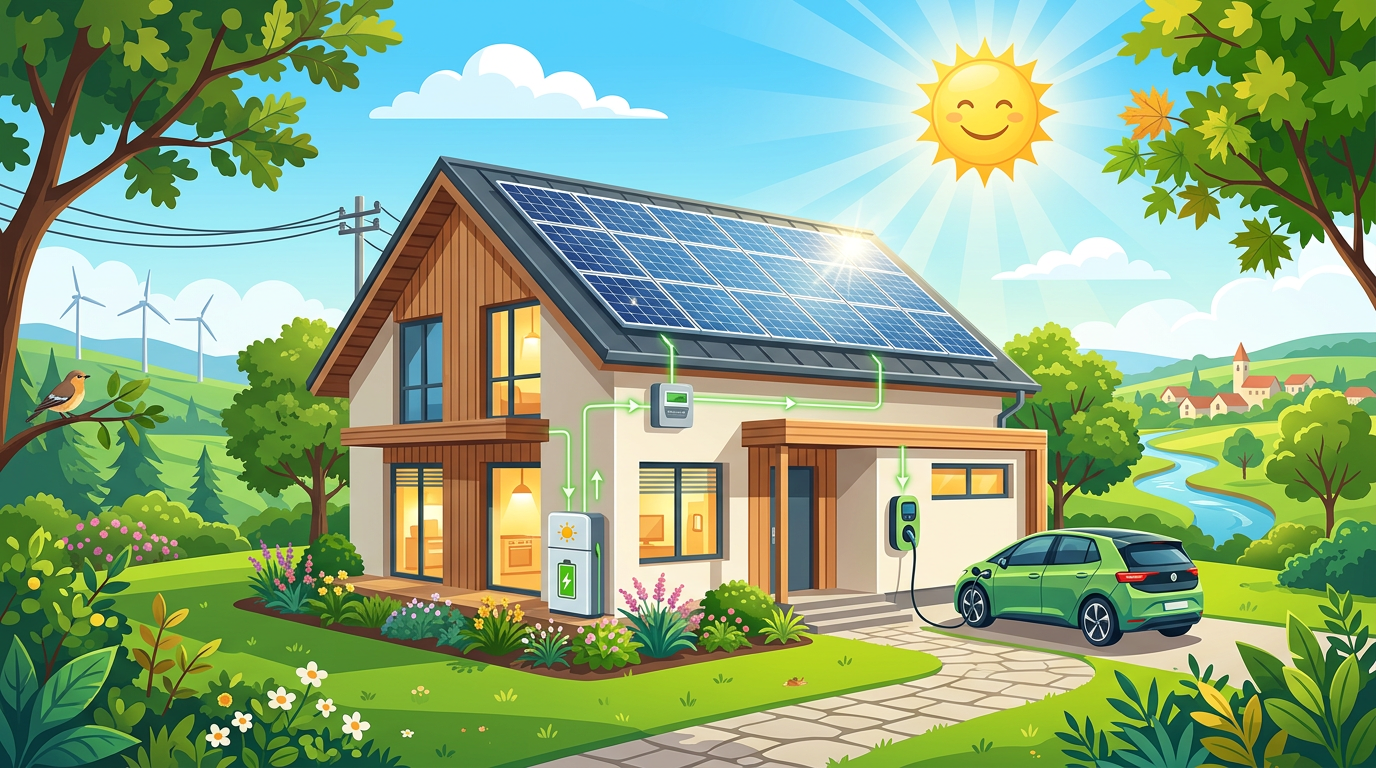
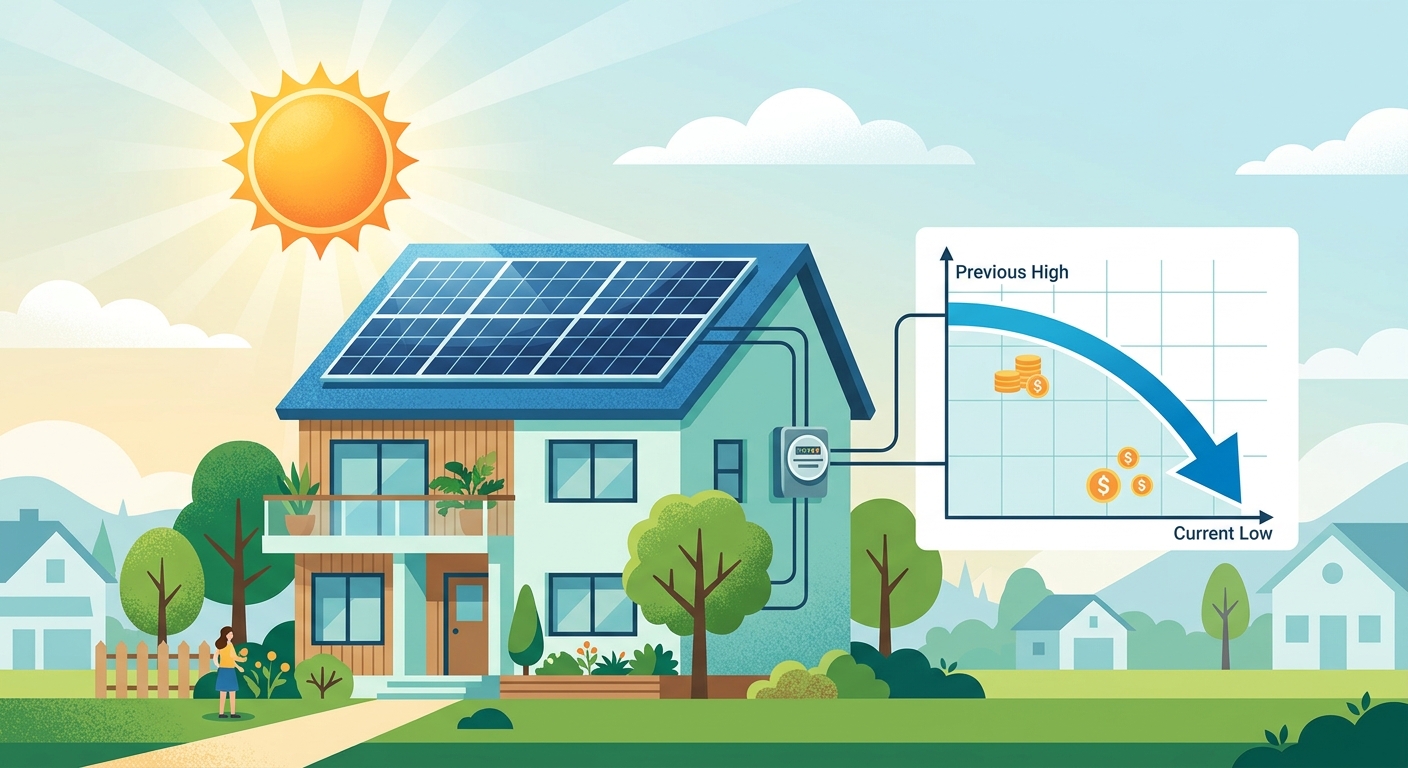
Solar panels convert sunlight into electricity your home can use immediately, reducing the amount you need to buy from the grid. When your panels produce more than you are using — for example, on a sunny afternoon while you are out — that surplus can often be stored in a battery for later or sold back to the grid, depending on your country’s rules. The result is lower monthly bills today and, just as importantly, protection against future electricity price rises.
What a solar system actually costs
The total price depends on the size of the system (measured in kilowatts), the quality of the panels and inverter, and whether you add battery storage. The main components are:
- Solar panels: the modules mounted on your roof that capture sunlight.
- Inverter: converts the solar energy into electricity your home can use.
- Battery (optional): stores energy for use at night or during outages, at additional cost.
- Installation: the labour, mounting hardware, and wiring provided by a certified installer.
Importantly, many governments offer incentives, rebates, tax credits, or favourable buy-back rates that can substantially reduce the real cost, so always check what is available where you live before judging the price.
Calculating your payback period
The payback period is simply how long the system takes to save what it cost to install. To estimate it, divide the net installed cost (after any incentives) by your expected annual electricity savings. In sunny regions with high electricity prices, the payback can be relatively quick; once you reach that point, the electricity your panels produce is effectively free for the remaining life of the system — typically twenty-five years or more.
Factors that affect your results
- Sunlight: more sun means more generation and a faster payback.
- Roof direction and shading: an unshaded roof facing the sun performs best; heavy shade reduces output.
- Your electricity price: the higher your current bills, the more each unit of solar saves you.
- Local policies: incentives and grid buy-back rates change the maths significantly from one country to another.
Choosing a good installer
The quality of your installation matters as much as the panels themselves. Get several quotes from certified, well-reviewed installers, and compare not just the price but the warranties on the panels, the inverter, and the workmanship. Be wary of high-pressure sales tactics and of offers that seem far cheaper than everyone else’s — reliable equipment and a proper installation are what deliver decades of dependable savings.
Do you need a battery?
A battery is one of the biggest decisions in a solar project, and the right answer depends on your goals. Without a battery, your panels power your home during the day and any surplus is typically sent to the grid, often for a credit or payment. This is the most cost-effective setup where daytime buy-back rates are reasonable and you use a fair amount of electricity while the sun is up.
A battery lets you store daytime energy to use in the evening, increasing how much of your own solar power you actually consume, and it can provide backup during outages. The trade-off is the added upfront cost, which lengthens the payback period. If your electricity is expensive at night, or power cuts are common where you live, a battery can be well worth it; otherwise, many homeowners start with panels alone and add storage later.
Maintaining your solar system
One of solar’s great advantages is how little maintenance it needs. With no moving parts, panels quietly generate power for decades. Still, a few simple habits keep them performing at their best. Keep the panels reasonably clean, since dust, leaves, and bird droppings can reduce output; in many climates, rainfall does most of this work for you.
Periodically check that the system is producing the energy you expect — most modern setups include an app or monitor that shows daily generation, making it easy to spot a drop. Have a qualified technician inspect the wiring and inverter occasionally, as the inverter is the component most likely to need replacement during the system’s life. Beyond that, your solar array will largely take care of itself.
Common solar myths debunked
Several persistent myths cause people to dismiss solar unfairly. One is that panels only work in hot, cloudless climates; in fact, they run on daylight, not heat, and generate usefully even in cooler, partly cloudy regions. Another is that solar is only for the wealthy — falling equipment prices and government incentives have put it within reach of many ordinary households.
People also worry that panels will damage their roof, when a professional installation is designed to protect it and can even shield the covered area from the elements. Finally, some assume the technology will be obsolete before it pays off, yet quality panels are warrantied for decades and continue producing well beyond their payback period. Judging solar on today’s realities, rather than outdated assumptions, leads to a far better decision.
Financing your solar installation
The upfront cost is the biggest hurdle for most households, but it is rarely the whole story, because several routes make solar more affordable than the sticker price suggests. Understanding your options helps you choose what fits your budget:
- Paying outright: if you can afford it, buying the system delivers the greatest long-term savings, since you own all the energy it produces with no interest to pay.
- Solar loans: spreading the cost over time lets you start saving on bills immediately, often with monthly loan payments lower than your previous electricity bill.
- Government incentives: rebates, tax credits, and favourable buy-back rates can significantly cut the real cost, so always check what is available in your area.
Whatever route you choose, calculate the total cost including any interest, and compare it against your expected savings over the system’s long lifetime. A sensible financing plan can turn solar from a large one-off expense into an investment that pays for itself and then keeps paying you back.
Boosting your home’s value
Solar panels do more than lower your bills; they can also make your home more attractive and valuable. As energy costs rise and buyers grow more environmentally conscious, a home that generates its own low-cost electricity stands out in the market. Many buyers are willing to pay more for a property with an established, well-maintained solar system and the lower running costs that come with it.
To protect this value, keep records of your installation, warranties, and energy production, and ensure the work was carried out by a certified installer. Should you ever sell, these documents reassure buyers that the system is genuine, efficient, and properly maintained. Between the savings you enjoy while you live there and the appeal it adds if you move, a quality solar installation is an investment that works for you in more ways than one.
Is your home suitable for solar?
Before investing, it is worth assessing whether your home is a good candidate, because a few physical factors strongly influence how much you will benefit. The most important is your roof: its direction, angle, and how much unshaded sunlight it receives across the day. A roof that faces the sun and is largely free of shade from trees or neighbouring buildings will generate the most power. Heavy, persistent shade, by contrast, can significantly reduce output.
Consider the condition and age of your roof too. If it will need replacing soon, it often makes sense to do that before installing panels, to avoid removing and refitting them later. Available roof space determines how large a system you can fit, and therefore how much of your electricity solar can cover. A reputable installer will assess all of these factors during a site visit and give you a realistic estimate of generation and savings tailored to your specific home.
The environmental benefits
While the financial case is what draws most people to solar, the environmental impact is a meaningful bonus that matters to a growing number of households. Electricity generated from sunlight produces no direct emissions, so every unit your panels create is a unit not generated from fossil fuels. Over the long lifetime of a system, that adds up to a substantial reduction in your home’s carbon footprint.
Choosing solar also supports the broader shift toward cleaner energy, helping to reduce demand on the grid and encourage further investment in renewables. For families thinking about the world their children will inherit, generating clean power at home is a tangible, everyday contribution. Combined with the savings on your bills and the potential boost to your property’s value, the environmental upside makes a well-planned solar installation a decision that pays off in more ways than one.
Frequently asked questions
How long do solar panels last?
Most quality solar panels are designed to last twenty-five years or more, often with a performance warranty. Their output declines very gradually over time rather than stopping suddenly.
Do solar panels work on cloudy days?
Yes, though they generate less power than in direct sunlight. They rely on daylight rather than heat, so they still produce electricity in overcast conditions.
Are solar panels worth it?
For many homeowners with good sun exposure and reasonable electricity prices, yes — they lower bills and add energy security. Run the numbers for your own roof and local incentives to be sure.
Do I need a battery?
Not necessarily. A battery lets you store and use your own power at night and provides backup during outages, but it adds cost. Many homes benefit from panels alone, especially where surplus can be sold to the grid.
Bottom line
For many homeowners, solar panels are a sound long-term investment that lowers bills and adds real energy security. Run the numbers for your own roof, factor in local incentives and buy-back rates, and choose a reputable installer — and the sun can pay a growing share of your electricity bill for decades to come.